On Thursday, a sales lead orders a ready-to-present deck from an AI service for a Friday customer call. She sends an old deck, the prospect’s notes and two price sheets. The slides arrive that afternoon. They look finished, but the price on the offer slide comes from one sheet and the discount comes from the other. She spends the evening calling finance and rebuilding the slide.
The service has delivered a file. The sales lead has lost the time she paid to get back. In this example, the team selling the service needs to decide how much of the work it will take on, how the buyer can tell the deck is ready and what happens when the source documents disagree.
Write down what the buyer gets
Start with one job the buyer can recognise. A sales team needs an editable deck for a named prospect and a specific meeting. It supplies its brand template, the account brief and a current price sheet approved by someone who can confirm the terms. The service turns those materials into a deck, checks the customer-facing claims and delivers a version the team can present and edit.
Put those terms alongside the offer and repeat them at intake. Include the file format, the delivery window and its starting point, who reviews the deck and which corrections the service covers. If the buyer has to supply commercial facts or clear them with finance, say so before they order. The buyer should know which work they are paying someone else to do and what they still own.
Make one person responsible for each exception
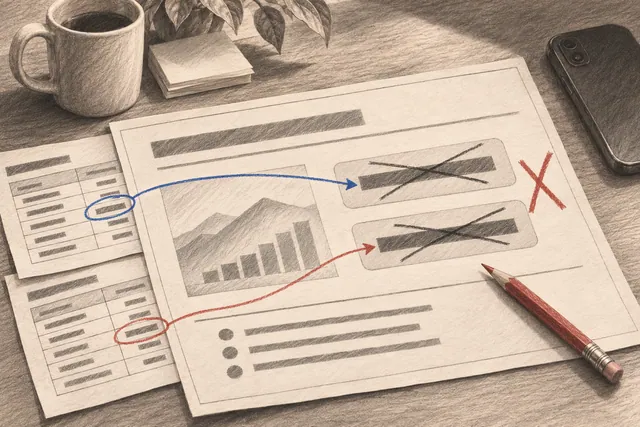
If the two price sheets disagree, flag the exact rows and ask the buyer’s named pricing owner which sheet is current. The service can keep working on the rest of the deck while it waits. Tell the buyer which decision is holding up delivery and show how that affects the meeting deadline. Give them a choice to proceed without the pricing slide only if that narrower deck would still serve their meeting and they agree to the change.
Assign mistakes against the confirmed brief to the service. If it used a superseded sheet or exported a broken file, its reviewer owns the fix and sends the corrected deck. If the buyer adds a second market or changes the audience after the brief is agreed, confirm the changed work and timing before committing to it.
| What happens | Who acts | What the buyer sees |
|---|---|---|
| Two source documents disagree on a price | The buyer’s pricing owner confirms which terms apply. | One question identifying the conflicting terms and the effect on delivery. |
| A slide uses a price from a superseded sheet | The service reviewer corrects the slide and checks the exported deck. | A corrected deck linked from the same order, with the change called out. |
| The buyer changes the audience after approving the brief | The service confirms the new brief and timing with the buyer. | The proposed change and its implications before work is committed. |
| The deck is ready under the agreed brief | The service reviewer checks the exported file. The buyer reviews the delivered version. | One editable deck and a clear way to flag a specific correction. |
Check the deck in the format the buyer will use
Give the reviewer two concrete jobs. First, compare the customer name, offer details and prices against the confirmed brief and source sheet. Then open the exported deck in the agreed presentation app and check that the slide layout holds up in presentation mode and the promised fields are editable. A proof can look fine inside the service while a table wraps or a font shifts in the buyer’s copy.
Give the buyer the editable file, identify the version and make it easy to point to a slide that needs attention. When a pricing correction comes back, return the fixed deck through the same order. Mark the older download as superseded so the sales lead can find the file that belongs in Friday’s meeting.

Fit the promise to the work your team can deliver
Let the AI assemble the first draft from the brief. Use the order to keep the source files, the buyer’s decisions and the deck versions together. The product should tell the buyer whether their next move is to answer a question, review a deck or use the delivered file. Your reviewer should be able to pick up the same order and see what has already been checked.
If a reviewer is part of the offer, protect time for review and corrections when setting delivery windows. Start with a single presentation type and a limited number of orders. Run the flow with a clean brief, conflicting prices and an export that needs a fix. For each case, check whether the buyer can tell what they will receive, who owes the next action and which file they can take to the meeting.
Bring one promise you already make to customers
Pick a sentence from your sales page, a brief a customer actually sent and a sample of the file or result they expected. Together those give you a concrete starting point for scoping the intake, review and delivery work that supports the offer.
Tell me what your AI product promises to deliver, or see how I scope AI product engineering work.